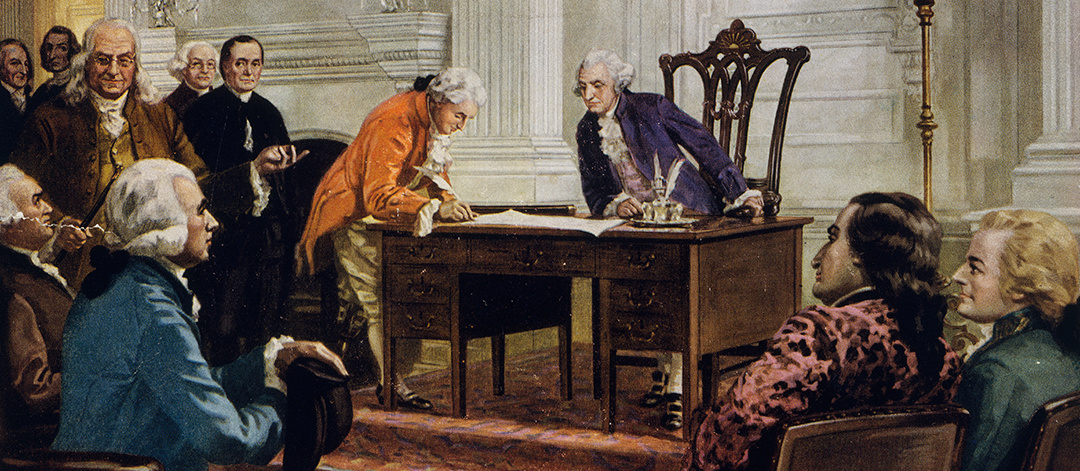
Teaching the American Constitution and Bill of Rights to students can be a challenging task for American history teachers. However, with a few tricks and techniques, you can make the learning experience much more manageable and memorable for your students. In this blog, we will explore how you can teach the American Constitution, Bill of Rights, and amendments effectively and make them easily understandable for your students.

- Start with the Background: Before diving into the details of the American Constitution, it’s important to provide some context to students. Explain the political, social, and economic conditions that led to its creation. This will help students understand the significance of the Constitution and why it was necessary to establish a new form of government. Also, introduce students to key players and events that shaped the formation of the Constitution, such as the American Revolution, Articles of Confederation, Federalist Papers, Anti-Federalist Papers, etc. It’s also important to emphasize the role of key figures like George Washington, James Madison, Alexander Hamilton, Thomas Jefferson, and Benjamin Franklin in the creation of the Constitution.
- Use Visual Aids: Visual aids such as charts, diagrams, and illustrations can be extremely helpful in presenting complex information. For example, a flowchart of the process of constitutional amendment can make the process more understandable for students. Similarly, a comparison chart of the key differences between the Articles of Confederation, Declaration of Independence, and American Constitution can also be useful.
- Highlight Key Provisions: The American Constitution and Bill of Rights contain a number of important provisions that are critical to understanding the document as a whole. Highlight these key provisions, such as the three branches of government, the power of the president, the rights guaranteed in the Bill of Rights, etc. Encourage students to memorize these provisions by breaking them down into smaller, more manageable chunks.
- Use Role-Playing Activities: Role-playing activities are a great way to help students understand the concepts behind the American Constitution and Bill of Rights. For example, you can assign each student a role as a delegate to the Constitutional Convention, and have them debate and negotiate the provisions of the Constitution. Or, you can have students take on the role of a Supreme Court Justice and make arguments for and against key court cases related to the Constitution. To do this, you can assign each student a landmark case such as Marbury v. Madison or Brown v. Board of Education, and have them research the case, identify the key issues and arguments, and present their arguments to the class.
- Incorporate Current Events: The American Constitution and Bill of Rights are still relevant today, and incorporating current events can help bring the document to life for students. For example, you can discuss recent Supreme Court cases and how they have interpreted the Constitution, or examine current political debates and how they relate to the provisions of the Constitution.
- Make it Relevant: To help students understand the importance of the American Constitution and Bill of Rights, it’s important to make the subject relevant to their lives. For example, you can discuss how the provisions of the Constitution impact their daily lives, such as freedom of speech, the right to bear arms, the right to a fair trial, etc.
- Utilize Technology: Technology can be a powerful tool in teaching the American Constitution and Bill of Rights. There are many educational apps, websites, and online resources that can help make the learning experience more engaging and interactive. For example, you can use websites like Khan Academy or The National Constitution Center, or educational apps such as BrainPOP, Constitution Quest, or iCivics.
- Review, Review, Review: To help students retain the information they have learned about the American Constitution
In short, teaching the American Constitution and Bill of Rights to students can be a fulfilling and rewarding experience. By incorporating a variety of teaching techniques and incorporating technology, you can make the subject more engaging and memorable for your students. By highlighting the key provisions, incorporating current events, and making the subject relevant to students’ lives, you can help students understand the importance of these historical documents and their lasting impact on American society. With the right approach, you can bring the American Constitution and Bill of Rights to life for your students and help them develop a deeper appreciation for this critical piece of American history.