Lessons in Humanities
Education
How Teachers Can Incorporate Timelines in American History Class
Blog
January 25, 2023
1*gDMIOtqPbnoEQnBJKC0Jog.jpeg

Timelines are an excellent tool for teaching American history. They provide students with a visual representation of events and can help them understand how events are connected and the context in which they occurred. Here are five activities that teachers can use in the classroom to help students learn about American history using timelines:

  1. Create a timeline of American history: Have students work in small groups to create a timeline of American history from the arrival of the first colonists to present day. Encourage them to include important events, people, and dates. Once completed, have each group present their timeline to the class.
  2. Timeline scavenger hunt: Create a scavenger hunt where students must find specific events or people on the classroom’s timeline. Give them a list of items to find and have them work in teams to find them as quickly as possible.
  3. Compare and contrast timelines: Have students create a comparison of two different historical events or time periods by creating a Venn diagram or side-by-side timeline. This will help students see the similarities and differences between the events or time periods.
  4. Timeline of a person’s life: Have students research a historical figure and create a timeline of their life. This can include important events, accomplishments, and dates. Have students present their timelines to the class and discuss how the historical figure’s life affected the time period in which they lived.
  5. Timeline of a current event: Have students create a timeline of a current event, such as an ongoing political or social issue. This will help students understand how events unfold over time and how different events may be connected.

Overall, Timelines are a flexible tool for teachers to use in American history class to help students understand the context of events and how they relate to each other. These activities are just a few examples of how teachers can use timelines in the classroom, but there are many other ways that timelines can be used as an effective teaching tool.

Looking for engaging resources? Check out the American History Full Year Curriculum bundle from Lessons in Humanities.

1*Trvy-uB_wVDAlq4ovAcMfA.jpeg


community logo
Join the Lessons in Humanities Community
To read more articles like this, sign up and join my community today
0
What else you may like…
Articles
post photo preview
lessonsinhumanities.medium.com
Blog
Read full Article
post photo preview
Teaching the American Constitution with Ease: A Guide for American History Teachers
Blog

Teaching the American Constitution and Bill of Rights to students can be a challenging task for American history teachers. However, with a few tricks and techniques, you can make the learning experience much more manageable and memorable for your students. In this blog, we will explore how you can teach the American Constitution, Bill of Rights, and amendments effectively and make them easily understandable for your students.


1*p6BA60VHclGPZlqEAZON4w.jpeg


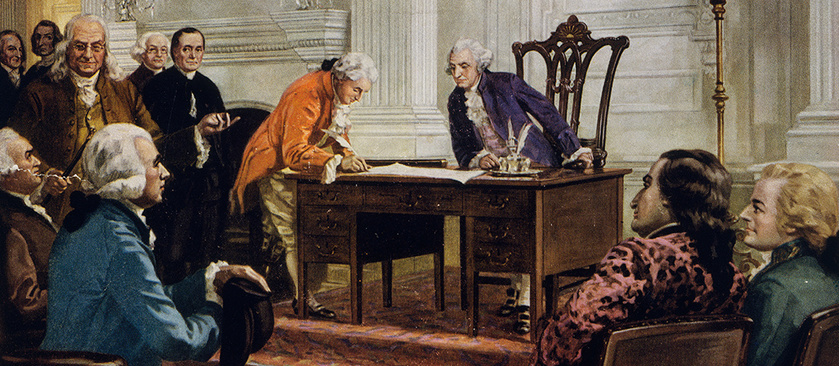
  1. Start with the Background: Before diving into the details of the American Constitution, it’s important to provide some context to students. Explain the political, social, and economic conditions that led to its creation. This will help students understand the significance of the Constitution and why it was necessary to establish a new form of government. Also, introduce students to key players and events that shaped the formation of the Constitution, such as the American Revolution, Articles of Confederation, Federalist Papers, Anti-Federalist Papers, etc. It’s also important to emphasize the role of key figures like George Washington, James Madison, Alexander Hamilton, Thomas Jefferson, and Benjamin Franklin in the creation of the Constitution.
  2. Use Visual Aids: Visual aids such as charts, diagrams, and illustrations can be extremely helpful in presenting complex information. For example, a flowchart of the process of constitutional amendment can make the process more understandable for students. Similarly, a comparison chart of the key differences between the Articles of Confederation, Declaration of Independence, and American Constitution can also be useful.
  3. Highlight Key Provisions: The American Constitution and Bill of Rights contain a number of important provisions that are critical to understanding the document as a whole. Highlight these key provisions, such as the three branches of government, the power of the president, the rights guaranteed in the Bill of Rights, etc. Encourage students to memorize these provisions by breaking them down into smaller, more manageable chunks.
  4. Use Role-Playing Activities: Role-playing activities are a great way to help students understand the concepts behind the American Constitution and Bill of Rights. For example, you can assign each student a role as a delegate to the Constitutional Convention, and have them debate and negotiate the provisions of the Constitution. Or, you can have students take on the role of a Supreme Court Justice and make arguments for and against key court cases related to the Constitution. To do this, you can assign each student a landmark case such as Marbury v. Madison or Brown v. Board of Education, and have them research the case, identify the key issues and arguments, and present their arguments to the class.
  5. Incorporate Current Events: The American Constitution and Bill of Rights are still relevant today, and incorporating current events can help bring the document to life for students. For example, you can discuss recent Supreme Court cases and how they have interpreted the Constitution, or examine current political debates and how they relate to the provisions of the Constitution.
  6. Make it Relevant: To help students understand the importance of the American Constitution and Bill of Rights, it’s important to make the subject relevant to their lives. For example, you can discuss how the provisions of the Constitution impact their daily lives, such as freedom of speech, the right to bear arms, the right to a fair trial, etc.
  7. Utilize Technology: Technology can be a powerful tool in teaching the American Constitution and Bill of Rights. There are many educational apps, websites, and online resources that can help make the learning experience more engaging and interactive. For example, you can use websites like Khan Academy or The National Constitution Center, or educational apps such as BrainPOP, Constitution Quest, or iCivics.
  8. Review, Review, Review: To help students retain the information they have learned about the American Constitution

In short, teaching the American Constitution and Bill of Rights to students can be a fulfilling and rewarding experience. By incorporating a variety of teaching techniques and incorporating technology, you can make the subject more engaging and memorable for your students. By highlighting the key provisions, incorporating current events, and making the subject relevant to students’ lives, you can help students understand the importance of these historical documents and their lasting impact on American society. With the right approach, you can bring the American Constitution and Bill of Rights to life for your students and help them develop a deeper appreciation for this critical piece of American history.


Looking for engaging resources for history class? Check out the American History Full Year Curriculum bundle from Lessons in Humanities.

0*NFMHp5r-CgDLVcY9.jpeg


1*I90PoXiBQQgt12Tlue6ovA.jpeg


Read full Article
post photo preview
The Daring Dental History of President Grover Cleveland
Blog

Attention all history teachers! Are you looking for a way to make your American history class more interesting and engaging? Look no further than the story of Grover Cleveland and his remarkable teeth.

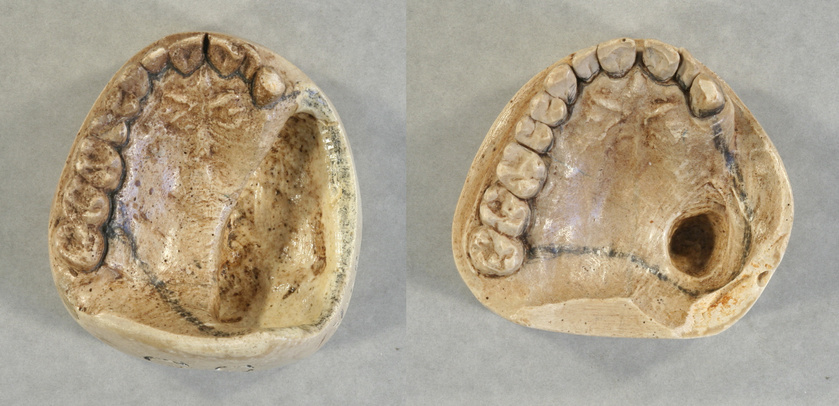
Grover Cleveland was not only the 22nd and 24th President of the United States, but he was also known for his unique and daring dental history. During his first term as President, Cleveland noticed a rough spot on the roof of his mouth, which was later found to be a cancerous lesion on the upper left side of his jaw. At the time, this was a serious medical condition that could have been fatal.

However, President Cleveland was determined to keep his condition a secret from the public and maintain the integrity of his presidency. So, he made a daring decision to undergo a secret surgical procedure. On July 1, 1893, Cleveland had the surgery performed by several dentists and doctors, including his personal physician, aboard a friend’s yacht, the Oneida, anchored off the coast of Long Island. The surgery, which involved removing the entire upper left jaw along with several teeth and fitting a prosthetic jaw, took just 90 minutes.

Despite the immense pain he was in, President Cleveland returned to the White House and continued with his duties as usual, keeping his secret safe. It wasn’t until 1917, almost 25 years after his surgery, that the truth was finally revealed.

The story of Grover Cleveland’s secret surgery is a testament to his courage, determination, and the strength of the American spirit. Use this story in your American history class to help your students understand the unique challenges faced by our nation’s leaders and the sacrifices they made to keep their country together.

Comprehension Questions:

  1. What was found to be the issue with President Cleveland’s jaw?
  2. Why did Cleveland undergo a secret surgical procedure?
  3. Where was the surgery performed?
  4. What did the surgery involve?
  5. How did Cleveland handle his duties after the surgery?
  6. What does the story of Grover Cleveland’s secret surgery symbolize?


Looking for engaging resources for history class? Check out the American History Full Year Curriculum bundle from Lessons in Humanities.

0*a86bmlXweJ76Sk4T.jpeg
Read full Article
Available on mobile and TV devices
google store google store app store app store
google store google store app tv store app tv store amazon store amazon store roku store roku store
Powered by Locals